
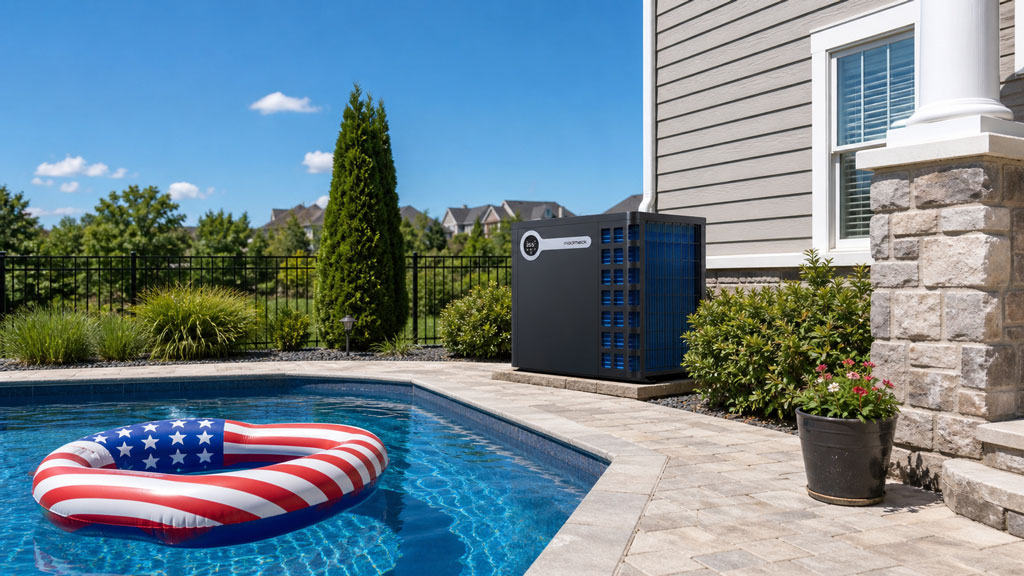
Pool owners across the United States are starting to look at pool heating differently.
Instead of relying on traditional heating systems that may consume more energy and create inconsistent water temperatures, many homeowners are now exploring smarter and more efficient alternatives. That is where inverter pool heat pumps are gaining attention.
These days, comfort, energy savings, and long-term performance matter more than ever. Homeowners want a swimming experience that feels enjoyable without constantly worrying about rising utility costs. As a result, inverter-based swimming pool heat pumps are becoming a preferred option for modern backyards.
From quieter performance to more controlled heating, these systems can offer a more balanced way to maintain comfortable pool temperatures throughout the year.
What is an Inverter Pool Heat Pump?
An inverter pool heat pump is a heating system designed to adjust its performance based on the pool’s actual temperature needs. Instead of constantly running at maximum power, the system can gradually increase or reduce its speed to maintain stable heating.
This approach may help improve:
- Energy efficiency
- Temperature consistency
- Noise control
- Overall pool comfort
Unlike older heating systems that repeatedly turn on and off, inverter systems can maintain a smoother operating cycle. That is why many homeowners now prefer modern swimming pool heat pumps with inverter technology for everyday use.
How is It Different From Traditional Pool Heaters?
Traditional gas heaters and fixed-speed electric heaters often operate at full capacity whenever they run. While they may heat water quickly, they can also consume more energy during regular operation.
In contrast, inverter-based systems are designed to adapt gradually. They may continue operating at lower speeds once the desired temperature is reached instead of completely shutting down and restarting repeatedly.
This difference can create several practical advantages.
More Controlled Heating
Traditional systems may cause noticeable temperature fluctuations. Inverter systems can maintain more stable water temperatures over time.
Lower Operational Noise
Many homeowners notice that inverter systems often operate more quietly, especially during lower-speed performance.
Improved Energy Usage
Because the system adjusts its power gradually, energy consumption may remain lower compared to some conventional heating methods.
As a result, more homeowners are replacing older pool heat pumps with inverter-based alternatives that better support long-term comfort and efficiency.
Benefits of Switching to Inverter Pool Heat Pumps
Lower Energy Costs
Energy efficiency is one of the biggest reasons homeowners are making the switch.
An inverter-based pool heat pump may use less electricity during regular operation because it avoids running at full speed continuously. Over time, this can help reduce monthly utility expenses.
For families using their pools frequently, lower operating costs can become an important long-term advantage.
Longer Swimming Seasons
Many homeowners want to enjoy their pools beyond peak summer months. Inverter systems can help maintain comfortable temperatures during cooler mornings, spring evenings, and early fall weather.
Instead of limiting pool use to a short season, homeowners may enjoy:
- More flexibility throughout the year
- Better comfort during weather changes
- Extended swimming opportunities
This is one reason why modern pool heat pumps continue gaining popularity across different U.S. climates.
Quieter Backyard Experience
Outdoor living spaces have become an important part of many American homes. People want their patios, pools, and backyards to feel peaceful and relaxing.
Traditional heaters can sometimes create noticeable sound during operation. However, inverter systems are often designed for quieter performance at lower speeds.
This may improve:
- Evening pool use
- Backyard gatherings
- Outdoor entertainment
- Everyday relaxation
A quieter system can make the entire pool environment feel more enjoyable.
Better Temperature Stability
One common frustration with older heating systems is inconsistent pool temperature. Water may feel too warm one day and cooler the next.
An inverter-based pool heat pump can continuously adjust heating levels based on real-time demand. This may help maintain more stable temperatures throughout the day.
For families who swim regularly, consistent comfort often becomes a major advantage.
Smart Features Add Convenience
Technology is influencing nearly every part of modern homeownership, including pool management.
Many newer inverter systems now include smart controls that can simplify operation. Depending on the model, homeowners may be able to:
- Monitor settings remotely
- Schedule heating times
- Adjust temperatures through mobile apps
- Improve energy management
This added convenience aligns with the growing demand for smarter outdoor living systems.
Sustainability Is Becoming More Important
Many homeowners are now more conscious about energy usage and environmental impact. Because of this, efficient heating systems are receiving more attention than ever before.
Modern pool heat pumps are often viewed as a more energy-conscious solution compared to some traditional heating systems. While every home and pool setup is different, inverter technology may support a more sustainable approach to pool heating.
This shift reflects broader home improvement trends across the United States where efficiency and comfort now go hand in hand.
Why Homeowners Continue Making the Switch
The growing interest in inverter systems is not based on a single feature alone. Instead, homeowners are responding to a combination of benefits that fit modern lifestyles.
Many people now want pool equipment that can offer:
- Efficient performance
- Quieter operation
- Better temperature control
- Smart functionality
- Long-term reliability
- Improved outdoor comfort
As these priorities continue evolving, inverter technology is becoming a preferred choice for residential pool heating.
That is why many homeowners researching a madimack pool heat pump are looking beyond basic heating and focusing more on overall pool experience and long-term efficiency.
Why We Focus on Inverter Innovation at Madimack
At Madimack, we designed our pool heat pumps with one goal in mind, giving homeowners a smarter, more efficient way to enjoy their pools without worrying about rising energy costs or noisy equipment.
Our InverELITE, InverTITAN, and InverECO ranges are each built around inverter technology because we believe pool heating should adapt to your lifestyle, not the other way around. Whether you have a small backyard pool or a large one, our systems are designed to maintain consistent temperatures, run quietly, and keep energy usage in check throughout the season.
We also know that modern homeowners want more than just a pool heat pump. That is why every Madimack pool heat pump comes with advanced features such as smart controls, built-in Wi-Fi, and the durability to perform season after season.
If you are ready to extend your swim season and reduce your pool's running costs, explore our full range and find the right fit for your pool.
FAQ's
A pool heat pump works by pulling heat from the surrounding air and transferring it to your pool water through a refrigerant cycle. Unlike gas heaters that generate heat, it simply moves existing heat, making it a far more energy-efficient way to warm your pool.
Yes, for most homeowners they are a worthwhile investment. Inverter pool heaters offer quieter operation, better energy efficiency, and more stable water temperatures compared to traditional on/off systems.
They can significantly reduce energy costs, especially inverter-based models that adjust their speed based on actual heating demand. Instead of running at full power constantly, they use only the energy needed to maintain your set temperature.
Inverter systems are designed to run at full speed during the initial heat-up phase to warm the pool quickly, then automatically shift to a lower speed once the target temperature is reached.
Many modern pool heat pumps are built to operate in cooler temperatures, allowing homeowners to extend their swimming season well beyond summer. Performance can vary depending on the model and local climate, so choosing a unit rated for low-temperature operation is important.
Because inverter systems continuously adjust their compressor and fan speed rather than running at maximum power, they produce significantly less noise during regular operation. This makes them a much better fit for backyard environments where peace and comfort matter.
With proper maintenance and regular servicing, a quality pool heat pump can last many years. Models like Madimack's InverELITE V2 are backed by a 25-year heat exchanger warranty and a 10-year compressor warranty.